Something is wrong with what we are building.
You can feel it before you can name it. The street that empties at five o’clock. The civic square that no one sits in. The school that looks like a warehouse. The development that won all the planning approvals and still feels like a place no one chose.
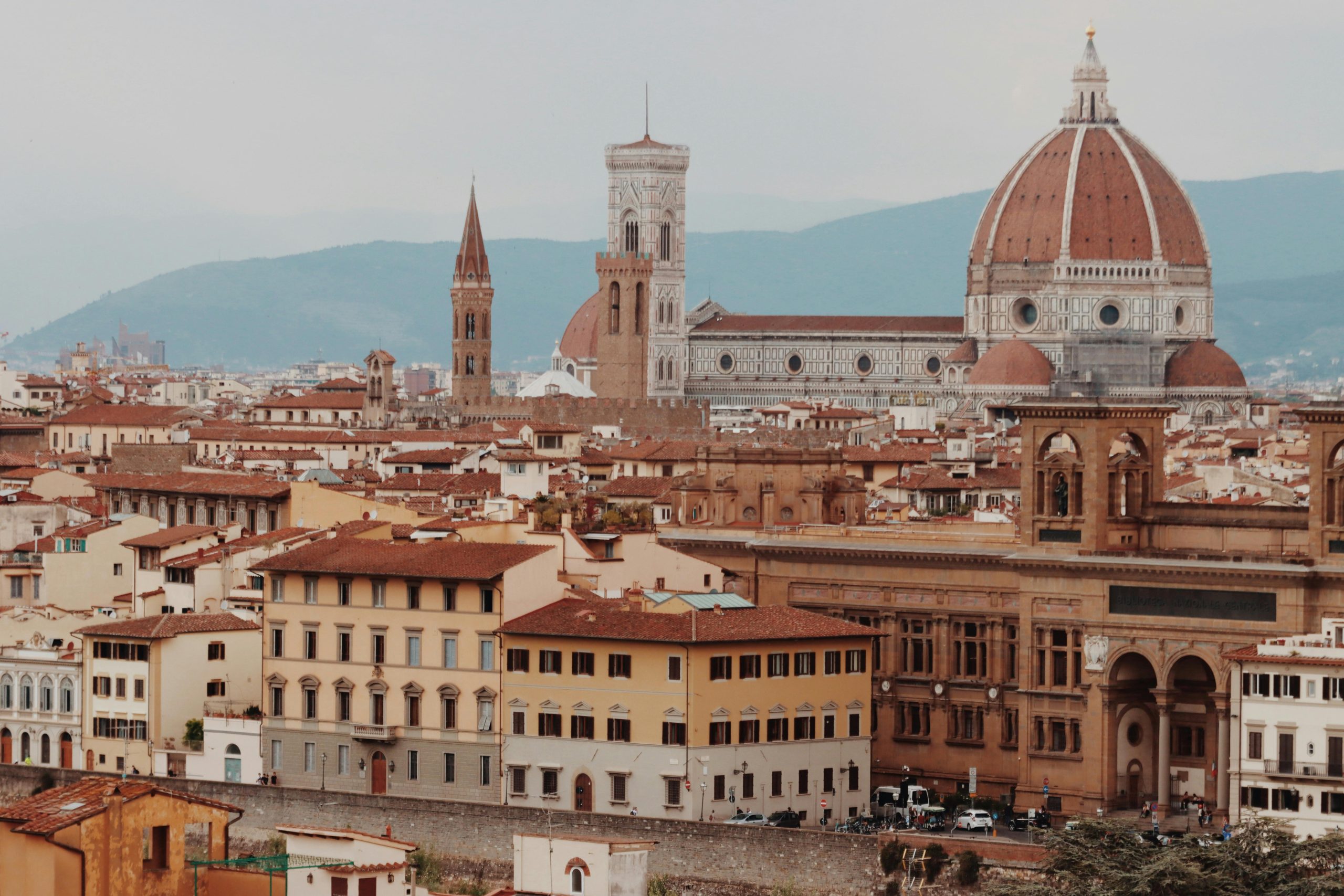
You are not imagining this. The research confirms it. The economics confirm it. And the cities that got it right — Florence, Georgetown, the old cores of Edinburgh and Siena — confirm it by the simple fact that people never stop wanting to be in them.
- For the developer who knows the difference between construction and civilization.
- For the civic leader who was elected to build something worthy and is running out of time to insist on it.
Build something worthy of the people who will live in it for the next hundred years.
The doctrine exists. The tradition is alive. ISA puts it in your hands and gives you the vocabulary to defend it in the rooms that matter.
For The Developer Building Projects Of Civilizational Consequence:
You’ve strolled through Florence, Georgetown, the West Village. You can feel the difference between a city that was built from conviction and one that was built from a spreadsheet.
Your next meeting has people walking in with a financial model, a compliance checklist, but you have no language for what you felt in the square. You know the difference between construction and civilization, will that impulse survive the meeting when others come with clarity and better paperwork?
For The Civic Leader Who Knows That This Week’s Planning Meeting Will Define Their City For A Century:
You have approved enough mediocre development to know what you don’t want, but the developer will come in with a financial model and the architect has precedent. The gap isn’t the budget. It’s your ability to articulate the doctrine.
If you arrive with vision and no language, your impulse is not going to survive the budget committee. You need more than conviction. You need the argument, the evidence, and the language to hold the line when everything institutional pushes toward the adequate. What gets built is what survives the room. ISA teaches you how to win that room.

The world’s most economically resilient neighborhoods share first principles of city design: human scale, walkable streets, the gentle density of mixed-use neighborhoods, materials that age with dignity, civic squares that gives people a reason to linger.
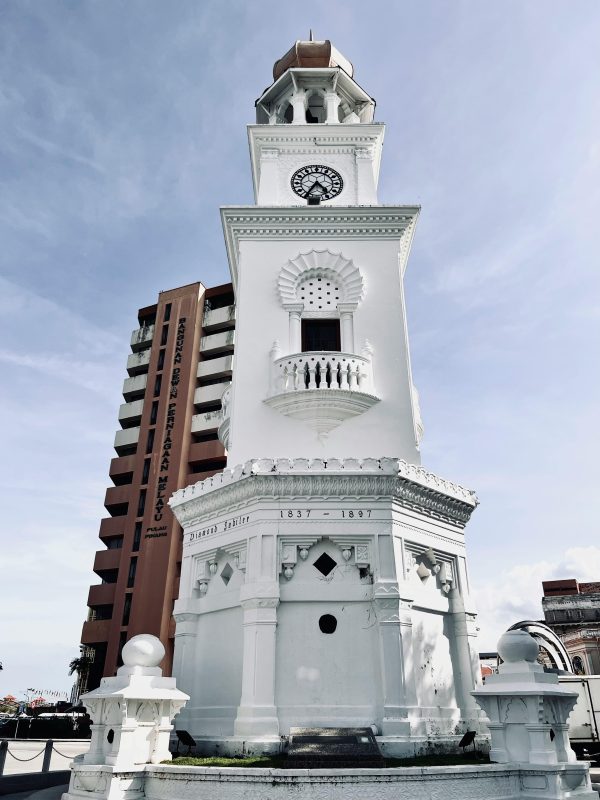
Beautiful places hold. They hold their value, their residents, their civic memory. The world’s most economically resilient neighborhoods — Georgetown, the Marais, Charleston’s historic core — became wealthy because they were worth preserving.
Beauty is not just a budget line item; it is the thing that determines whether what you build decays appreciates as it naturally creates well-being, social identity, and economic vitality.
The highest return on investment is creating a place worth belonging to.
Form determines whether inhabitants feel responsible for what surrounds them. Responsibility produces investment and everything that follows.
A beautiful town is a conversation between generations; where people chose again and again to invest in a place they call home.
The deepest roots of prosperity are affection and responsibility where every beloved street is an act of collective care. Places do not inspire investment or even protection when they fail to foster belonging.
A place worth loving is a place worth serving.
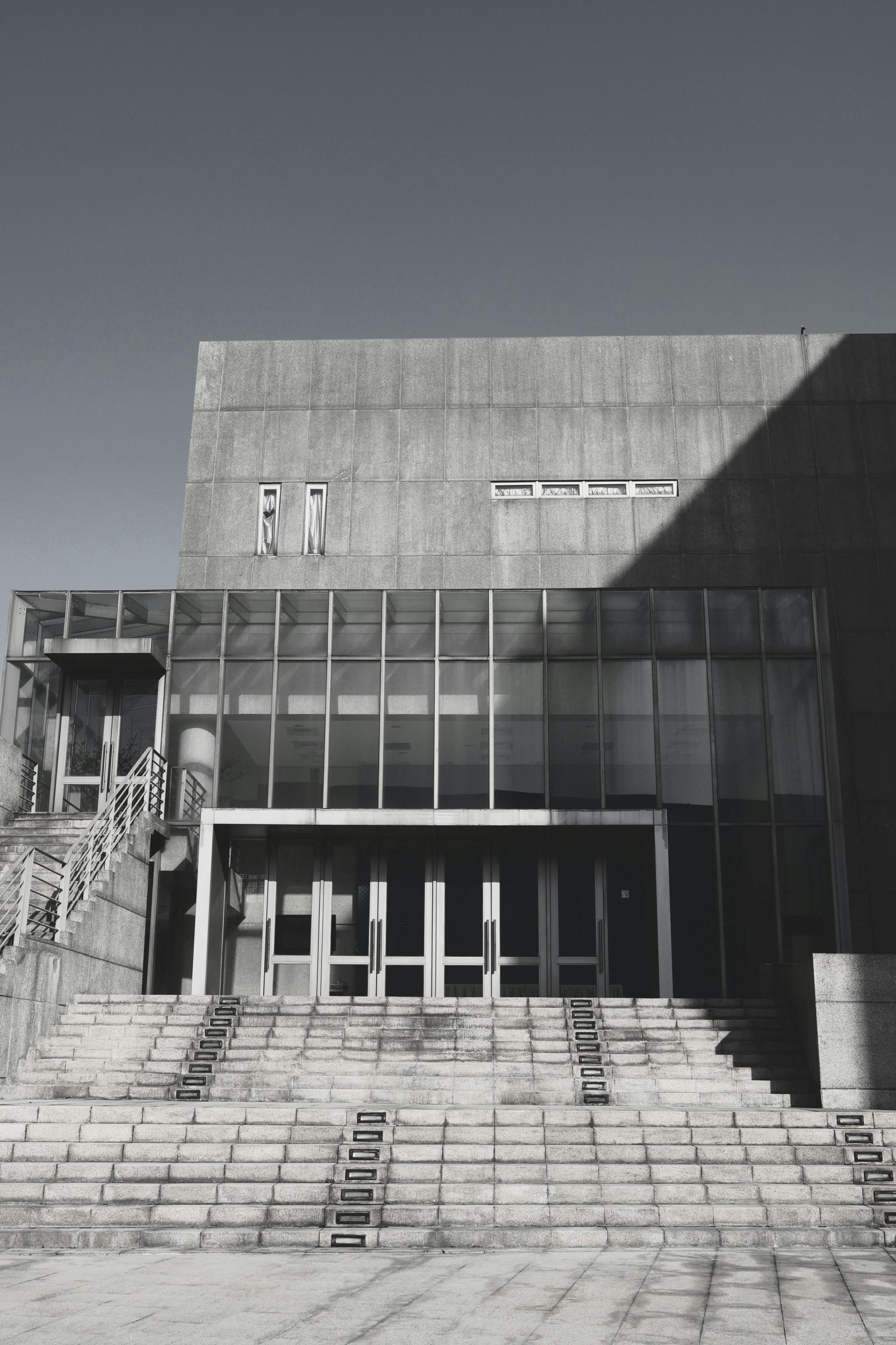
We instinctively know this, which is why the brutalist architecture of featureless concrete and glass elevates cortisol within ninety seconds of exposure. The great housing failures of the twentieth century — Cabrini-Green, Robin Hood Gardens, Park Hill — were not failures of funding. The buildings were the cultural disease, made permanent in concrete.
Every courthouse without dignity, every school that resembles a warehouse, every civic square designed as a parking lot rather than a place for people to naturally gather — these are not neutral choices. They are arguments.
ISA exists to make sure you are winning that argument.
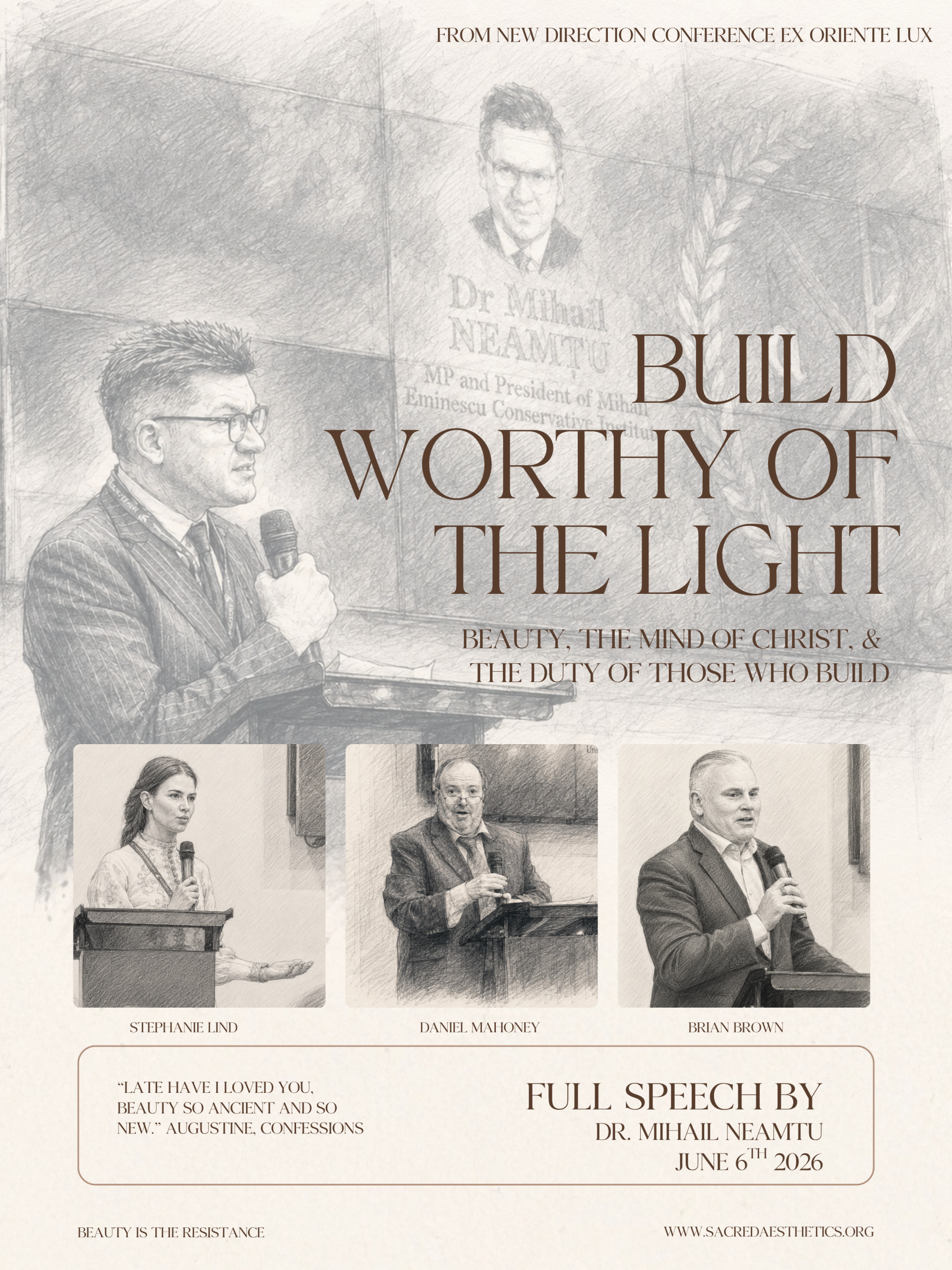
What if beauty is not a luxury, but one of the deepest tests of whether a civilization still knows what human beings are worth? In Build Worthy of the Light, Dr. Mihail Neamțu makes a luminous case that architecture, cities, and public life either confess the dignity of the soul or deny it.
Drawing from Augustine, Hagia Sophia, the Christian East and the crisis of modern ugliness, this speech calls patrons, leaders, and builders back to the sacred duty of making places for human flourishing.
Download the full speech to recover a vision of beauty strong enough to rebuild not only our cities, but hope and imagination.
Download The Speech
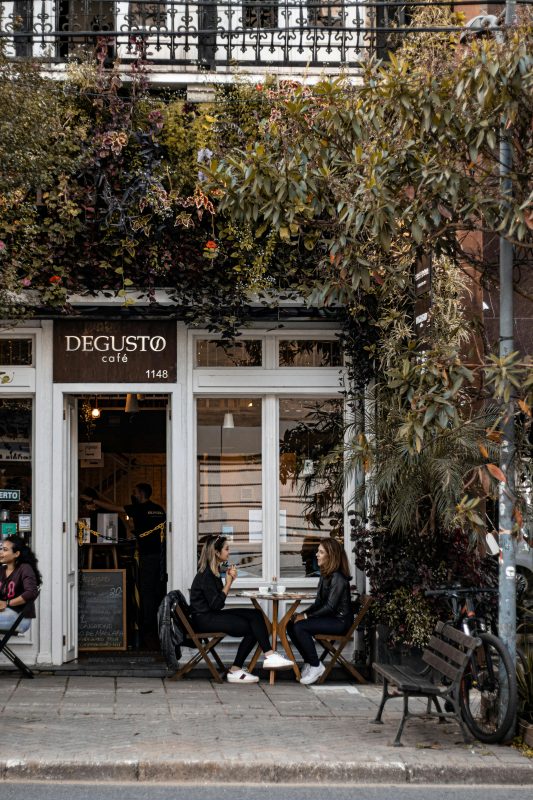
The square, the corner café, the place between the front porch and the street, these spaces are where strangers become neighbors.
Not in policy or a neighborhood app— in the spontaneous encounter enabled by form.
Jan Gehl documented this with a Melbourne study of residential streets, that showed social activity: conversation, play, maintenance, lingering, took place in shared spaces.
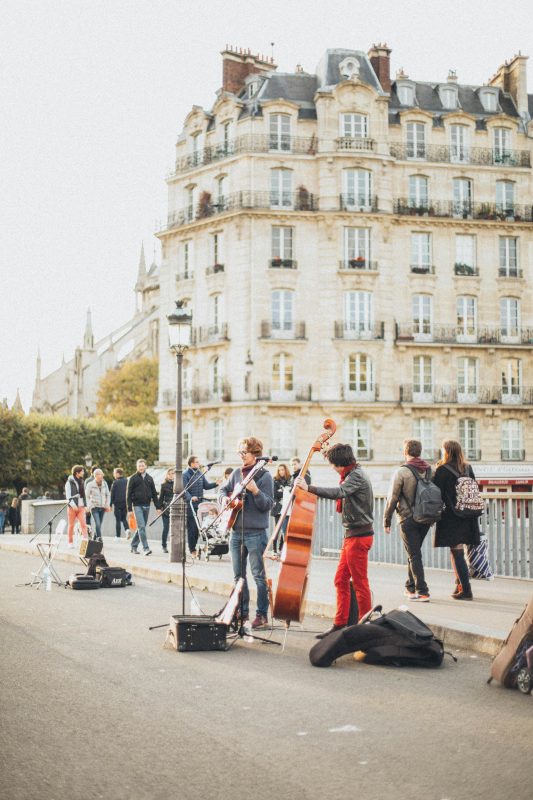
Remove the threshold, and the activity collapses as people pull into their garages and close the door behind them.
The building staircase shared by six families produces a community who know each other well enough to ask for help. The elevator shared by sixty produces strangers.
Oscar Newman mapped the relationship between territorial form and safety: we know what features and scales produce citizens who think: this is my street.
That thought precedes every act of stewardship, every informal act of surveillance, every decision to stay.
The criminal chooses the space that belongs to no one. The twentieth century built entire cities of such space. Jane Jacobs called it the absence of eyes on the street. Oscar Newman called it the absence of defensible space. Form determines whether inhabitants feel responsible for what surrounds them. Responsibility produces safety, trust, and community — without mandate, without surveillance, without a single sensor.
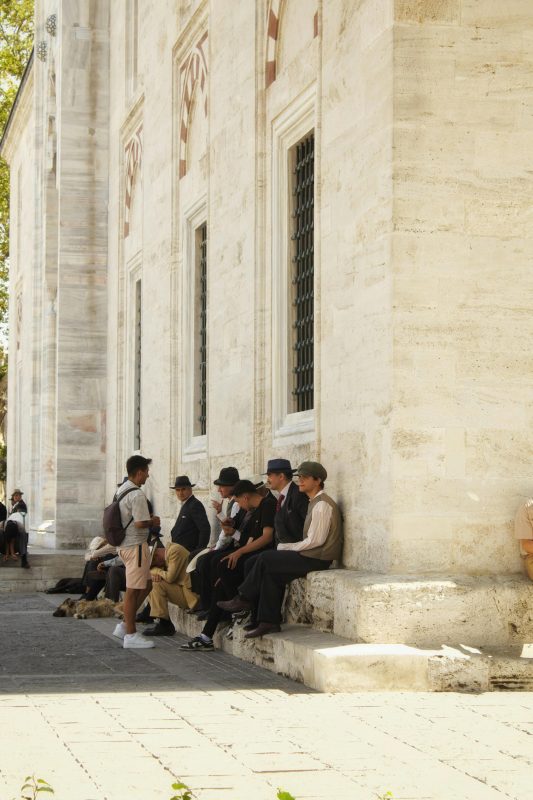
Human beings evolved to read faces at twenty-five meters.
The street proportioned for that distance is the street where people feel at home.
A street that gives people a reason to linger produces more civic good than a decade of community programming.
Trust is built in the threshold, the stoop, the corner, the common stair.
Remove those and you are left with a management problem.
Georgetown has been producing this outcome since the eighteenth century. The West Village since the nineteenth.
The form has been doing the work the entire time. A square that pulls sixteen times the foot traffic after redesign was not given more people. It was given a reason to hold them. The buildings going up in this decade will either carry that grammar or abandon it.
The decision is made now, in rooms where too few people have the vocabulary to insist on what the research has been confirming for fifty years. The brief written in the next thirty days will determine whether the people inside what you build feel responsible for their street or indifferent to it. That is not a small decision.
The staircase. The threshold. The front yard. The corner. Pull any one of them and communities, families, and childhoods unravel.
Someone in your next meeting will propose solving the community problem with software.
The pitch for the fifteen-minute city will arrive polished and confident in behavioral design. It will boast about smart infrastructure, connected neighborhoods with walkability scores. The language is warm, the slide deck is convincing, and the underlying assumption has a fifty-year track record of producing environments people cannot wait to leave.
Oxford divided itself into monitored zones with annual driving permits and ANPR cameras and became an international story about surveillance before it became a story about community.
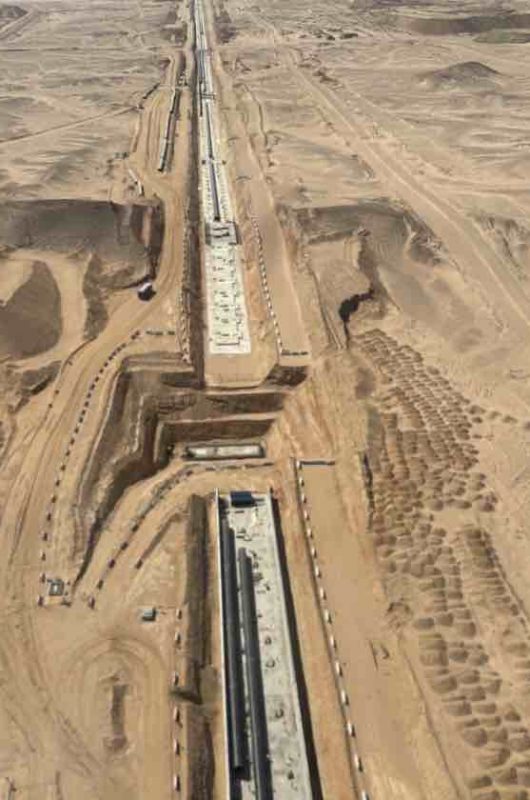
Saudi Arabia spent fifty billion dollars on The Line and is converting it quietly into a data center.
Oscar Newman spent a career mapping traditional urban forms — streets with doorsteps, courtyards, enclosed yards, the threshold — create defensible space automatically.
Residents exercise natural surveillance over what they can see and feel responsible for.
They protect what feels like theirs. Cabrini-Green, built on the opposing theory, produced more murders per year by 1981 than the entire city of Indianapolis.
When it was finally demolished in 2011, surrounding land values immediately increased. The city had known, for four decades, that the buildings were the problem.
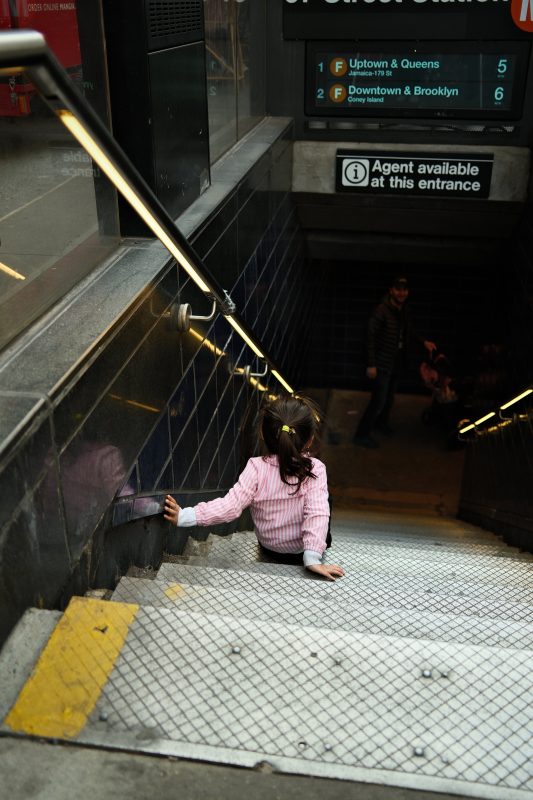
The working class paid for that theory with their health, their communities, and their children’s futures.
The architects kept their consulting fees. Nobody apologized.
In too many places they are still building the same way, because the people harmed by it still have no one in the room when the decisions are made.
Every act of building either helps the living structure of a place or harms it.
There is no neutral act.
The families removed from their streets in Birmingham, Glasgow, Baltimore, and Detroit did not vote for that removal.
They were told, by people with degrees and government backing, that what was coming was better. It wasn’t.
The architects never lived in what they built. They wrote the theory in Paris, tested it on the poor in Chicago, and went home to tree line streets in Connecticut.

The smart city proposal is the contemporary version of the same confidence. Technology in place of form. Management in place of community. Sensors and apps producing the outcomes that streets and doorsteps and thresholds can produce for free.
A profusion of gates and cameras signals the insecurity and fear that follow when the form fails.
The smart city proposal arriving at your next meeting is the latest iteration of the same theory. ISA gives you the argument — and the tradition — that answers it.
The doctrine that produced that city is alive. It is teachable. ISA puts it in your hands before your architect opens his brief.
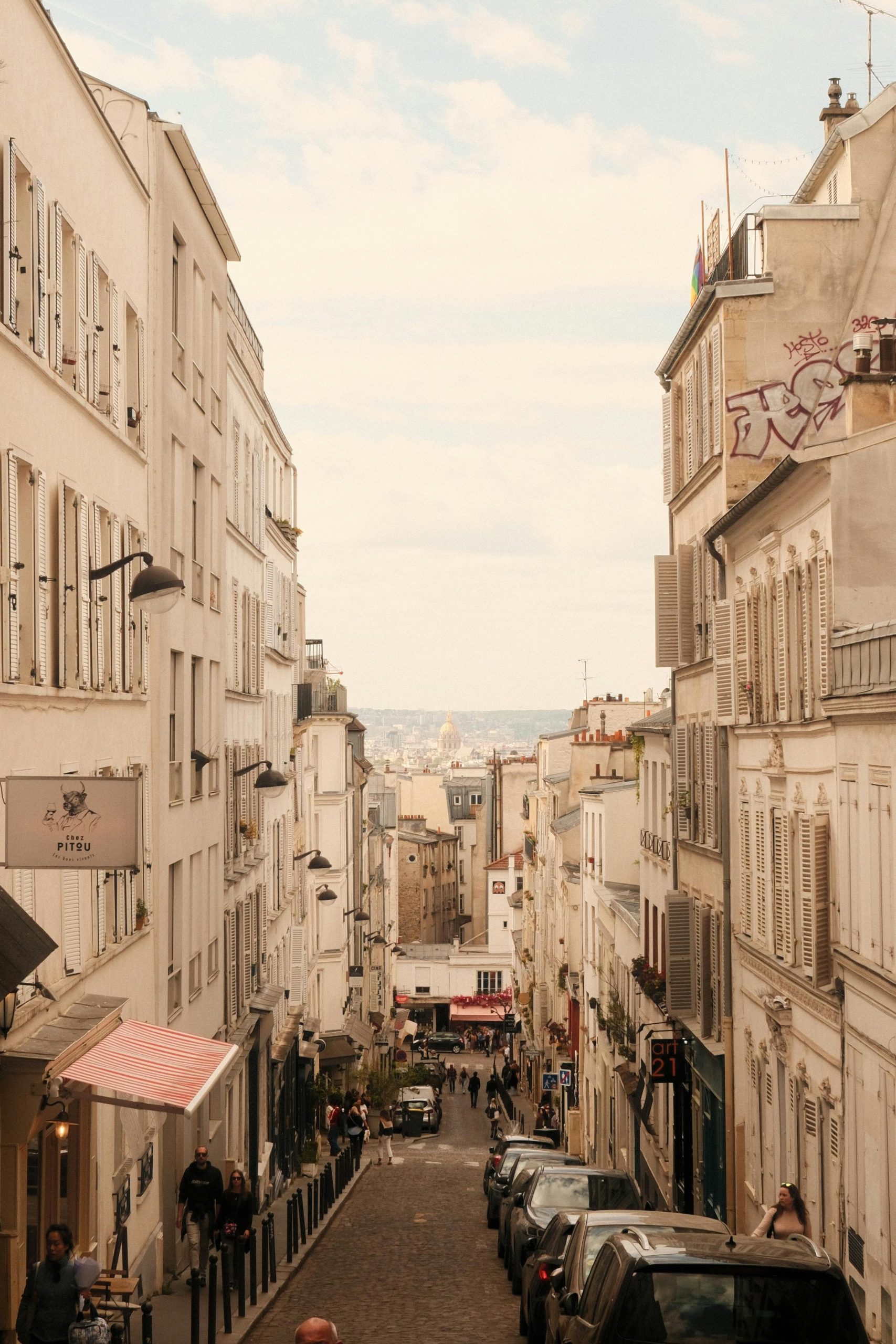
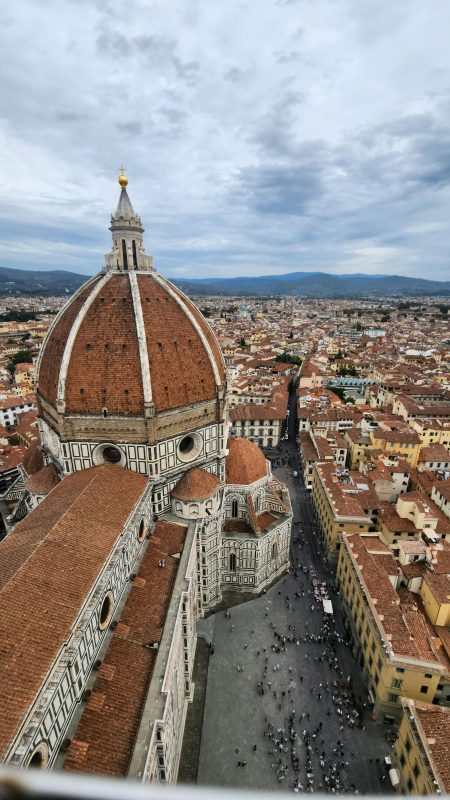
You have stood in Florence, gone home, and signed off on something forgettable before it is even finished.
The tradition that produced the Florentine dome is not dead. It has been waiting for serious patrons.
“The patron who builds beautifully for the common good is performing an act not merely of generosity but of theology.”
Roger Scruton wrote that sentence with full philosophical seriousness — that the patron who insists, in the teeth of every utilitarian pressure, that beauty is a necessity for human flourishing and not a luxury, is doing something that cannot be reduced to taste or preference or cultural conservatism.
He is insisting that matter matters. That the person who will live within sight of what he builds deserves the effort of beauty. That the building has a responsibility to its inhabitant that no financial model captures.
Pseudo-Dionysius placed beauty at the origin of all things.
Augustine called it so ancient and so new. Aquinas gave it three measurable properties.
Balthasar wrote seven volumes on why its absence from theology was not an aesthetic mistake but a spiritual catastrophe.
Hart called matter the sacrament of the spirit.
Eliade called the city imago mundi — the cosmos made habitable.
Scruton called ugliness a form of spiritual violence written in concrete and glass.
Alexander spent forty years proving, empirically, that the tradition knew what it was doing.
The lineage is unbroken. ISA puts their work into your vocabulary and into your project.
Engagement with ISA will mark a permanent change in what you are able to see, to demand, and to defend.
We do not produce scholars.
We form the people who make decisions.
The decision changes the brief.
The brief changes the building.
The building changes the city.
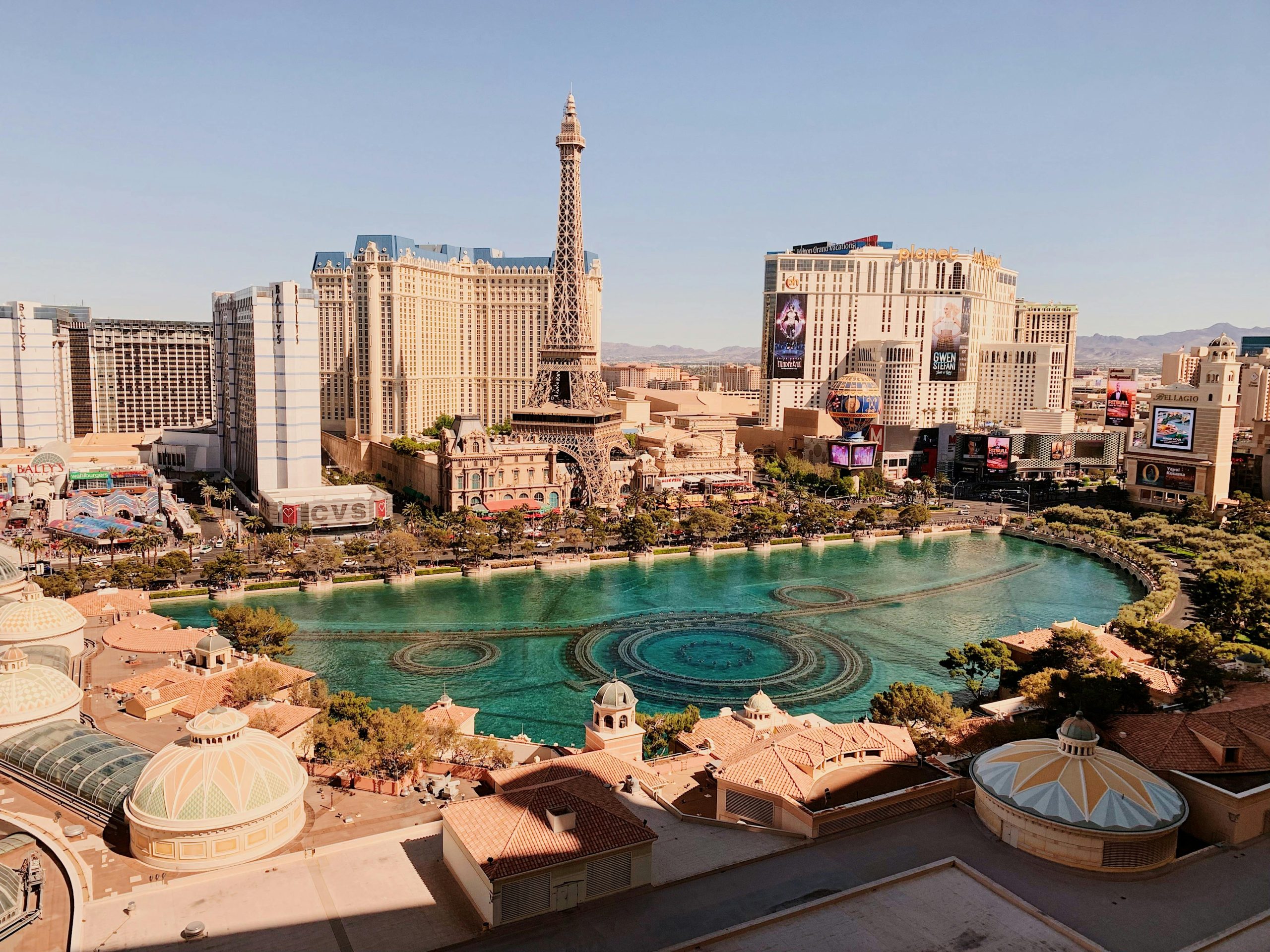
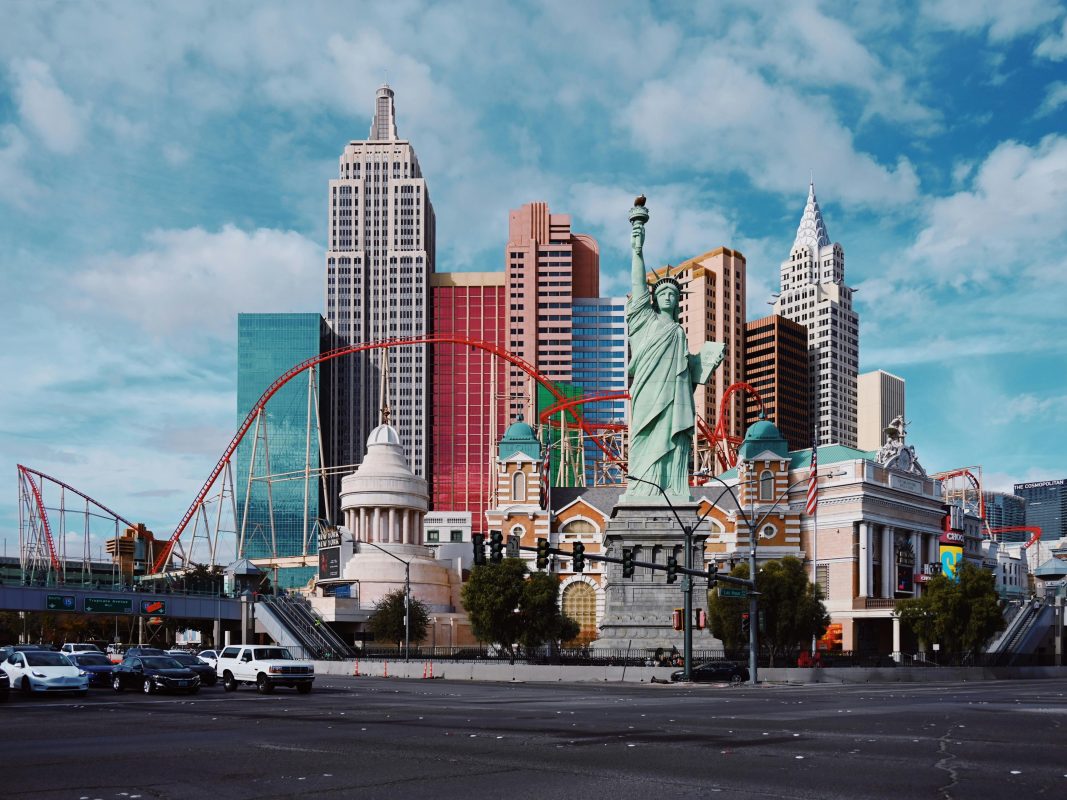
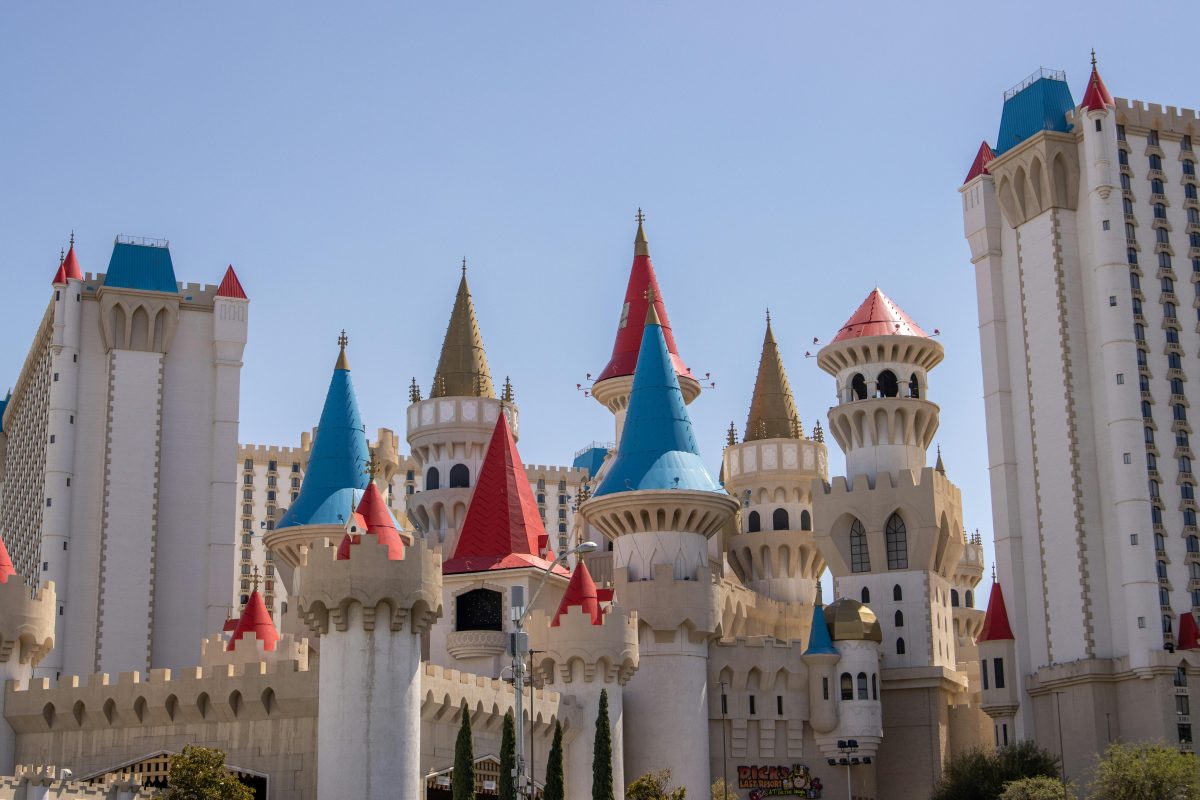
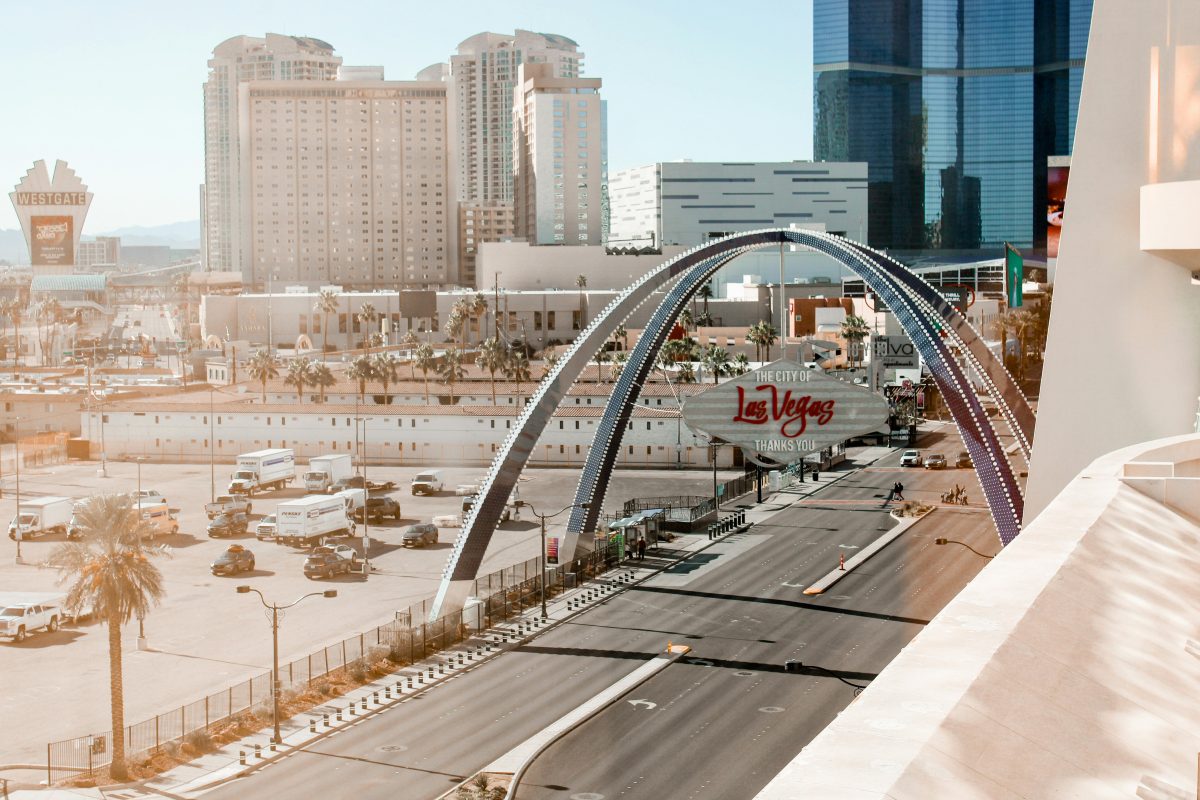
Las Vegas has columns, arches, scale, and ornament. Every person who walks through it feels, in their body, that they are being processed rather than welcomed. The vocabulary present, the conviction absent.
The eye reads the gap in seconds.
The architect who selects classical forms from a catalogue without the convictions that produced them delivers what Scruton called pre-emptive kitsch: forms that know they are borrowed, and that the eye reads accordingly.
No developer wants to spend a billion and produce something that feels like a movie set.
Without faith, the arch is irony. Without faith, the city is a theatre of gestures no one any longer means.
Beauty is revealed by the consistency of attention it generates across centuries — the evidence, written into every stone and every threshold, that someone cared.
Doctrine carefully enacted into plaster and stone is what closes the gap.
Not budget. Not the right architect.
Not the right style.
The formed conviction that the building carries a responsibility to those who will live and die in that place.
With ISA, we do not simulate styles; we either continue civilizations or we do not.

Here Is How This Works:

SEE CLEARLY
The Florence Grand Tour
Five days in the city that produced the tradition we will continue. The city is guided, not toured. You will walk the streets of the Oltrarno, stand in the Piazza della Signoria, enter Santa Croce, with guides who make the structural principles of spaces legible. Why proportion, threshold, and scale work the way they work. You will walk into your next design meeting as a different person. The perception shift is permanent.

BUILD RIGHTLY
The Patron Advisory
ISA’s doctrine inside your project, from the first brief to the completed building. When the pressure to compromise arrives, and it will, at every stage, you will have the argument, the evidence, and the language to hold the line. The brief your architect receives after the Advisory is a different document. What he builds from it is a different building.

LEAD OTHERS
The Patron Circle
A community of peers building at civilizational scale. This is for the developer who does not want to build a place that needs cameras to function. For the civic leader who has been the only person in the room with vision. One patron with doctrine changes a building. Ten patrons with doctrine change a city. The founding fellowship of patrons is forming now.
You are about to make a decision that will still be standing in 2125.
Most patrons discover the right questions after the brief has been signed. The architect has his mandate. The decisions that determine whether what gets built is worthy or merely competent have already been made — in a document that took three meetings to produce and will shape the physical environment for the next century.
Before that document is written, ISA has one page for you.
Five questions.
They are not technical.
They do not require an architecture degree.
They require the kind of formed conviction that separates the patron who builds something people will fight to protect from the patron who builds something people will eventually demolish.

Does your brief specify a theology of the public realm — what the civic center means and why?
Can you articulate, in one sentence, why the proportions of the main street are what they are?
Does your architect have a formed account of why beauty matters, or only a stylistic preference?
Do you have a plan for defending this project’s beauty against the institutional pressures that will emerge at planning stage?
Who in your life would tell you honestly if what you are building is not worth building?
A patron who reads these questions and cannot answer them has just felt the gap ISA closes.
For the Civic Leader:
You will not have to defend it at the next council meeting. The residents will. When a developer proposes to change it, they will show up and fight, and win. The battle you were fighting alone will become a shared campaign.
You will build something that will still be loved when your grandchildren are old.
That is what ISA is here to make possible.
For the Developer:
You will walk through what you built and know you did not compromise.
The streets will be worn in the right places.
The step outside the corner café will hold a thousand conversations.
The square you insisted on when the committee wanted a car park will have children in it. Your name will be associated with what you built, not what you spent.
You will have more than a plaque; you will have a place worthy of inhabitation.
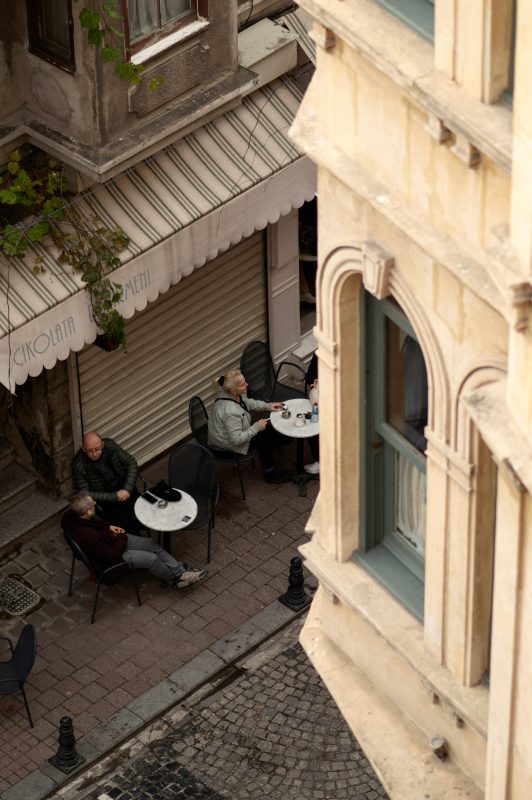
The mediocre building is not built by people who wanted mediocrity. It is built by people who wanted something better and did not have the doctrine to demand it when the pressure came. The vision was real. The vocabulary was missing. The meeting moved on.
Your project is too important for that outcome.
The people who will live inside what you build for the next hundred years are too important for that outcome.
The founding cohort of ISA patrons is forming now.
What we build together will define what this institution proves is possible.
There is no better position than the founding one — and no worse outcome than having had the resources, the authority, and the instinct, and having built something forgettable anyway.
The founding cohort is forming now.
- The developer who does not want to build a place that needs cameras to function.
- The civic leader who knows what their city deserves and cannot yet make the room agree.
- The planner who has the research and cannot yet make the institution act on it.
Five days in Florence. A permanent change in what you are able to see, demand, and defend. The grammar that makes the instinct survivable in the rooms where it matters most.
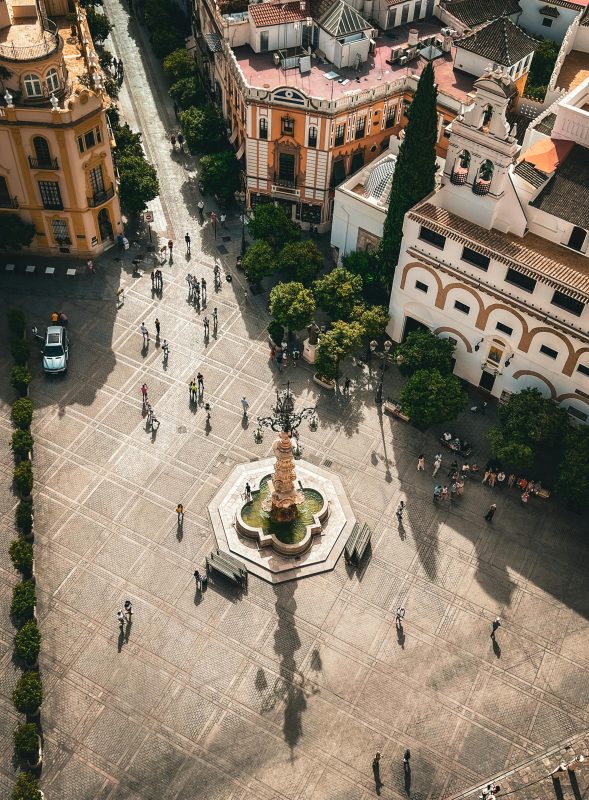
→ The Florence Grand Tour + Mount Athos Pilgrimage: Details Coming Soon
→ For researchers and policy professionals: Get ISA’s Intellectual Ecosystem Map

⋅ BEAUTY IS THE RESISTANCE ⋅